
.jpg)
Updated on: 27th May 2026
When you're leading a school trip to Amsterdam, the days fill up quickly with museum visits, canal walks, neighbourhood stops and the challenge of keeping everyone moving together. When you consider why school trips are important, protecting time for meaningful learning becomes a priority. That’s where efficient transport starts to matter.
The city is beautiful, but it’s also busy, and navigating it with a group of students can feel like a lot to manage on foot alone. Picture standing with 25–30 students near Dam Square, trying to keep everyone together while heading to a timed museum slot. Amsterdam’s tram network often becomes the difference between a stressful transfer and a calm one. It keeps the group moving without slowing the day down.
In the sections ahead, we’ll look at why trams work so well for a school trip and how they help shape a smoother, more organised day in Amsterdam. Whether you're heading to the Anne Frank House as part of a school history trip, the Rijksmuseum for art, or NEMO for science, trams create predictable, low-stress transitions between stops.
Are Trams Really that Good?
For most teachers visiting Amsterdam, the real question isn’t whether students will enjoy the city—it’s how to move everyone between visits without losing time. Trams make that part easier. They follow clear routes, arrive frequently, and stay above ground so students can still take in the canals and neighbourhoods along the way.
With a group of 14–16-year-olds, the challenge is usually the same: keeping everyone together while staying on schedule for curriculum-linked visits. Consistency matters. When you're balancing timed entry slots, lunch breaks and headcounts, a transport option that runs reliably through the city helps the day stay on track.
Trams also create a built-in pause between visits—a chance for students to regroup while staff prepare for the next stop, without the delays that often come with walking through crowded streets.
Why Trams Belong in Your Amsterdam School Trip
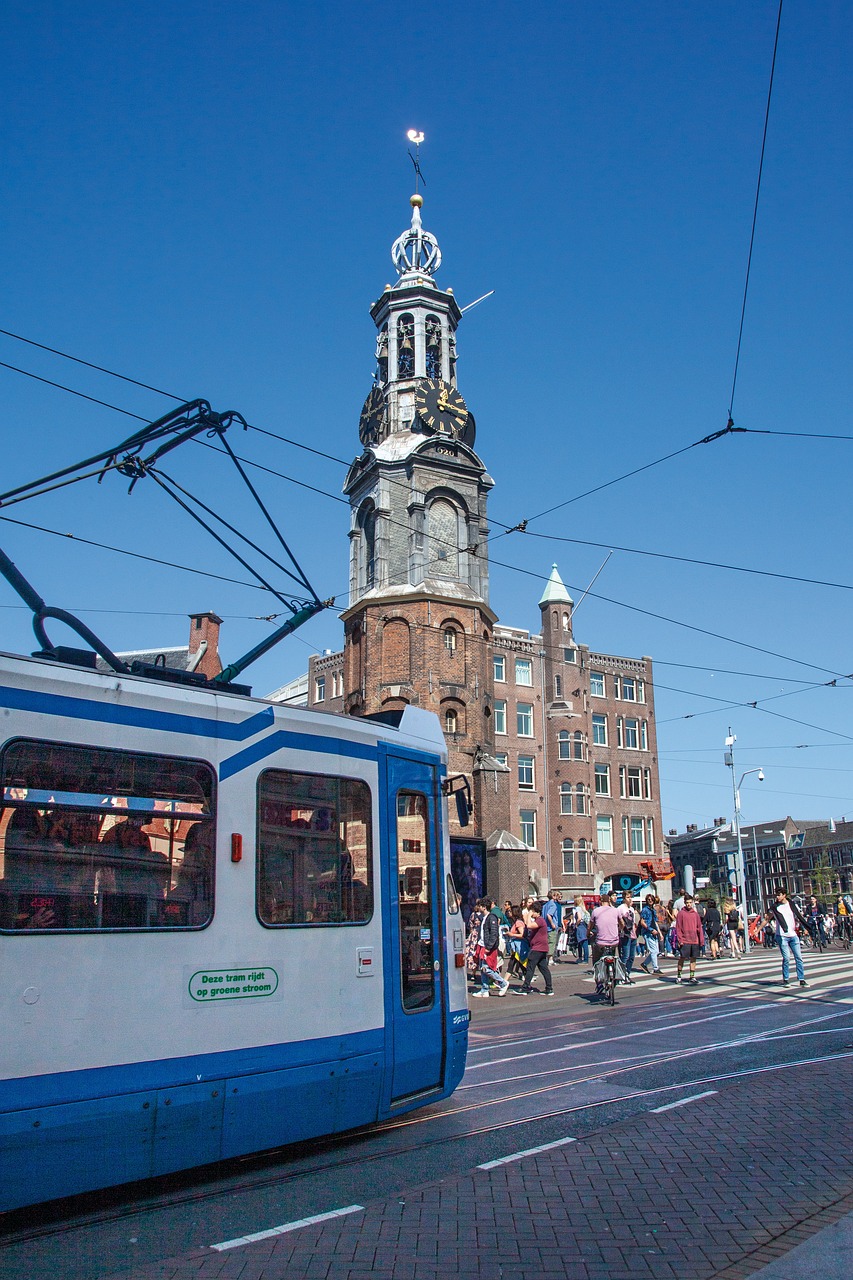
For many schools heading to Amsterdam, trams become one of those small decisions that make the whole itinerary run more smoothly. Bigger visits like the Anne Frank House, the Rijksmuseum or NEMO often anchor the day, but getting between them can take more time than expected if you’re navigating everything on foot. Trams help bridge those gaps. They follow routes that pass through the areas teachers tend to visit, allowing you to move the group without breaking the flow of the day.
What makes them especially useful is the balance they offer. You still get the feeling of being in the city—its canals, neighbourhoods and everyday rhythms—which is exactly what makes Amsterdam work so well for cultural school trips—but with a structure that supports the timings you’ve planned.
What It's Like Using Trams with a Student Group
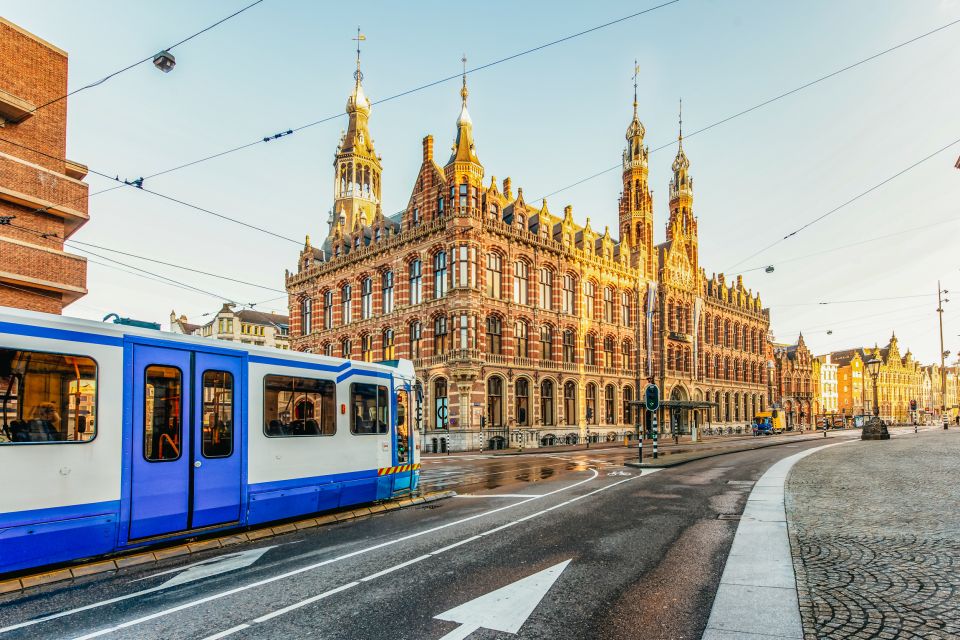
Using trams in Amsterdam feels surprisingly manageable when you're travelling with students. Stops are easy to recognise, the routes are clearly marked, and services run often enough that you’re not left waiting long with a full group beside you. Once onboard, students tend to settle quickly—the movement of the tram and the view from the windows create a natural pause between the busier parts of the itinerary.
For teachers, the real advantage is structure. You know exactly where the tram will stop, how long the journey will take, and which part of the city you’ll arrive in. That predictability helps with headcounts and gives you time to prepare the group for the next visit. It’s also a chance for students to observe Amsterdam’s day-to-day life: cyclists crossing bridges, neighbourhoods shifting from canals to squares, and the rhythm of a city that’s always on the move.
While every school’s risk assessment will differ, trams fit neatly into most plans because they reduce the amount of walking through crowded areas. They offer a clearer sense of direction and make it easier to keep everyone together, especially when you’re moving between visits during the busiest parts of the day.
A Practical Tool for Planning Your Day
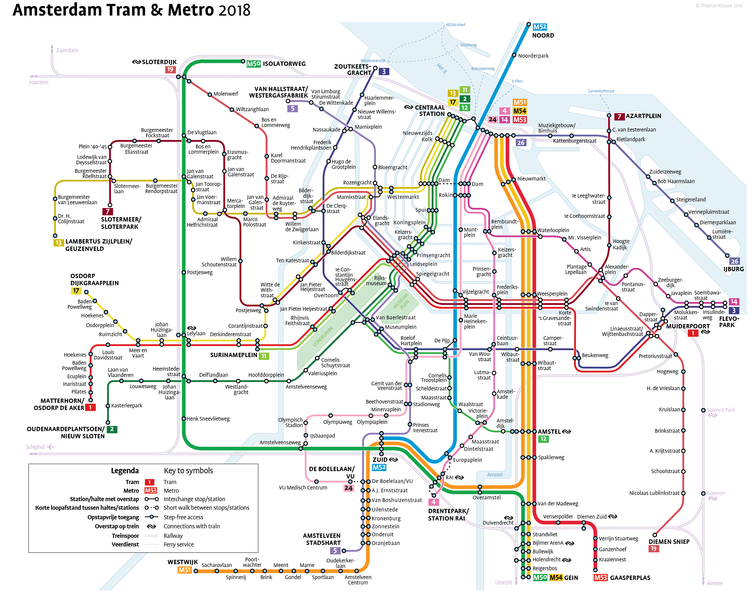
Amsterdam isn’t difficult to navigate, but with a group of students, every transition matters. Trams take the pressure out of those in-between moments. Because routes pass through major educational stops, you can move between visits without losing momentum.
For example, if your group starts at the Anne Frank House and has a timed entry at the Rijksmuseum, trams quickly link the two areas without long walks through busy streets. This keeps your schedule steady and reduces the pressure on staff.
For schools thinking about more eco-friendly school trips, using trams keeps things simple without adding extra transport into the mix. Because the routes are fixed and stops clearly marked, it’s easier to keep track of students in busy areas, in line with OEAP (Outdoor Education Advisers' Panel) guidance.
A quick planning checklist:
- Check tram routes on the GVB website or app
- Choose backup stops in case the first is crowded
- Assign staff positions for boarding and exiting
- Check whether group travel tickets are available in advance
- Build in extra time before timed entries
Make the Most of Your School Trip to Amsterdam
Trams are a fantastic way to explore Amsterdam. They provide a convenient and efficient means of transportation, allowing you to effortlessly navigate the city and take in its charming sights.
At Interschool Travel, we’ve spent over 40 years helping schools organise trips across Europe, sorting out the plans, places to stay, and visits along the way. Every trip has a Tour Leader to guide your group and all the visits sorted ahead of time, making things easier for teachers and students alike.
Reach out to us and we’ll help you put together an Amsterdam trip that’s fun, smooth, and full of learning.
 Back to Blog
.jpg)
.jpg)
.jpg)